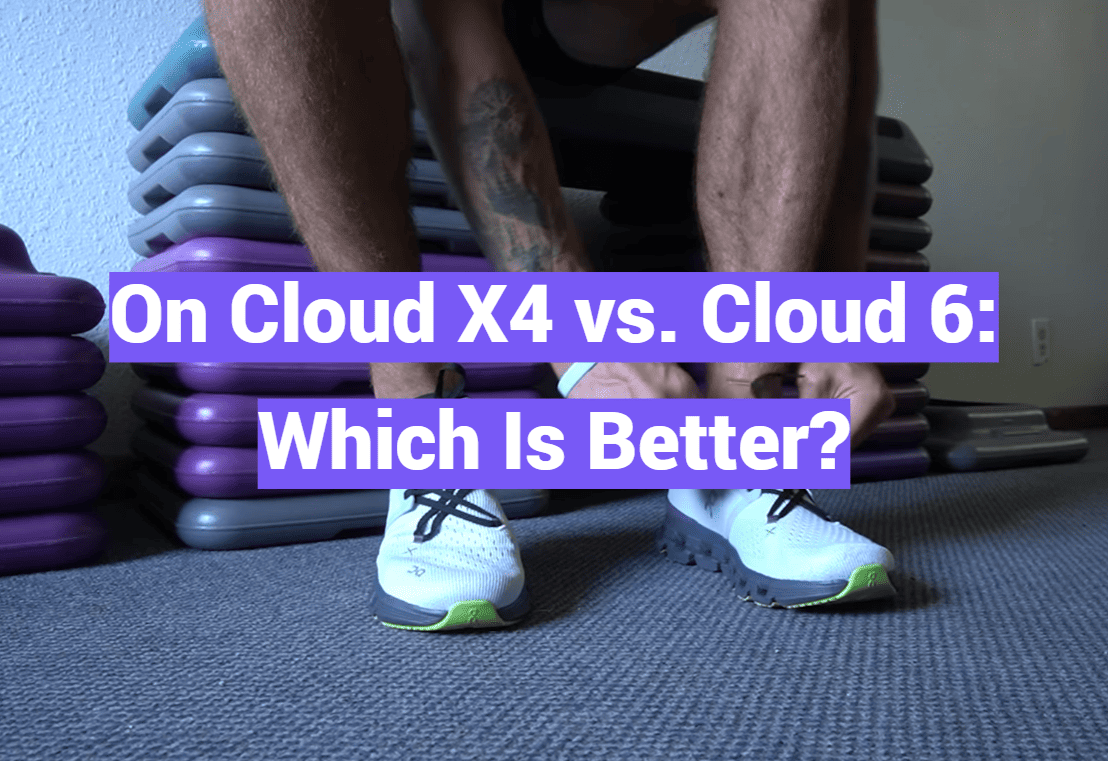
Did you know a single dollar separates the price tags of these two popular athletic sneakers? This tiny difference makes the choice even trickier for shoppers.
Jake from That Fit Friend tests every pair in a size ten. This ensures consistent, fair comparisons across different models. His method removes size variables from the performance equation.
Many fitness enthusiasts struggle to pick the right footwear. They want a model that excels in the gym and during daily walks. This guide cuts through the confusion.
We evaluate how each construction supports your personal fitness goals. Is the extra dollar for one model worth it? We break down the value proposition clearly.
By comparing these runners head-to-head, we provide clear insights. You will discover which option is superior for your specific needs and lifestyle.
Key Takeaways
- A mere one-dollar price difference exists between these two athletic models.
- An independent tester uses a consistent size ten for all performance evaluations.
- The primary challenge is finding footwear that fits both gym workouts and everyday use.
- This analysis focuses on the specific build and value of each sneaker.
- Our goal is to deliver a clear recommendation based on your personal fitness objectives.
- Understanding the construction helps determine the best value for your money.
- This comparison provides actionable insights to simplify your purchasing decision.
Overview of On Cloud X4 and Cloud 6
Athletes often face a choice: a lightweight daily trainer or a sturdy gym companion. These two sneakers from On serve distinct primary functions. Understanding their specs and design goals is the first step.
Key Specifications and Features
Hard numbers reveal the performance focus. The Cloud 6 is built for all-day comfort. It weighs 10.15 ounces and has an 8mm heel-to-toe offset.
The Cloud X4 prioritizes stability for intense sessions. It comes in at 11.15 ounces with a 7mm offset. This creates a more grounded feel.
| Model | Weight (size 10) | Offset | TF2 Rating |
|---|---|---|---|
| Cloud 6 | 10.15 oz | 8mm | 3.9 |
| Cloud X4 | 11.15 oz | 7mm | 4.4 |
Jake from That Fit Friend gave the X4 a higher rating. This score reflects its superior capability for structured training.
Target User Profiles
Your fitness routine dictates the best pick. The Cloud X4 is the versatile choice for the gym. Its construction offers better stability for your feet during lifts and agility work.
The Cloud 6 suits those who value comfort above all. It’s ideal for daily wear, casual walks, and light activities. Many will appreciate its lower price point and easy fit.
Select the tool that matches your most common workout. Both are excellent shoes, but for different jobs.
Shoe Construction and Materials
A closer look at how these sneakers are put together reveals their intended purposes. The materials chosen directly affect durability, support, and overall feel.
Upper and Mesh Design
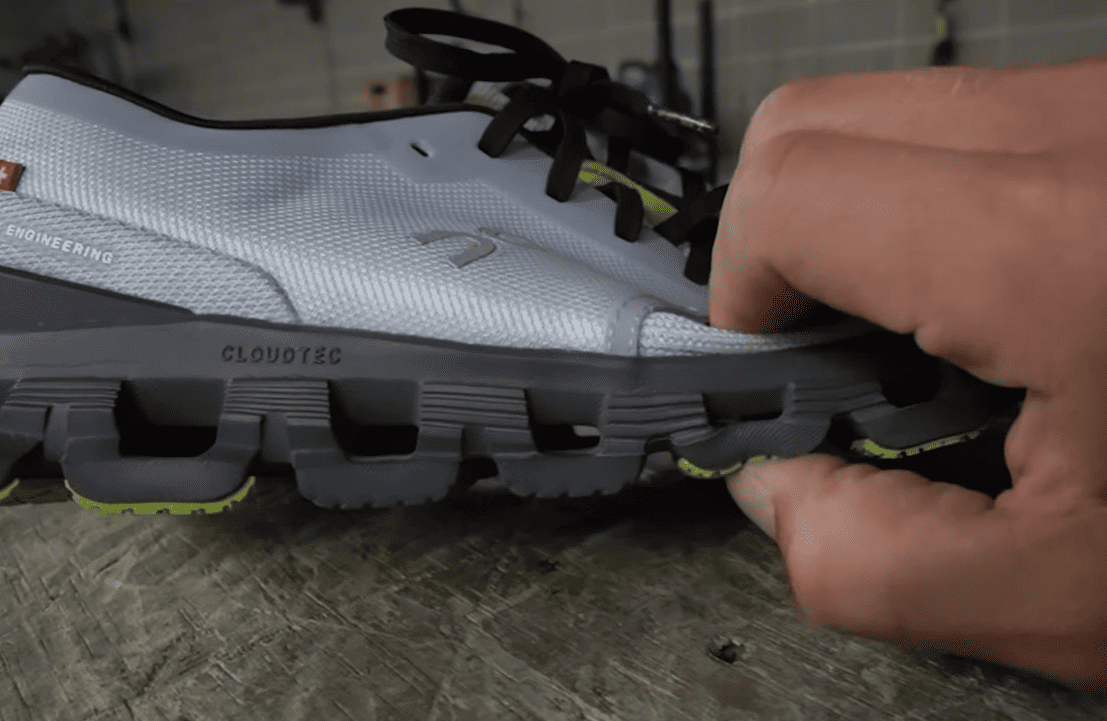
The training-focused model features a double-layered mesh upper. This design locks down your feet during dynamic movements in the gym.
It is crafted from at least 90% recycled polyester. The brand uses dope-dyed yarn, a process requiring 90% less water.
In contrast, the other runner has a reworked, single-layer mesh. This update creates a more spacious fit for various foot shapes. It prioritizes everyday comfort over locked-in support.
Midsole and Outsole Composition
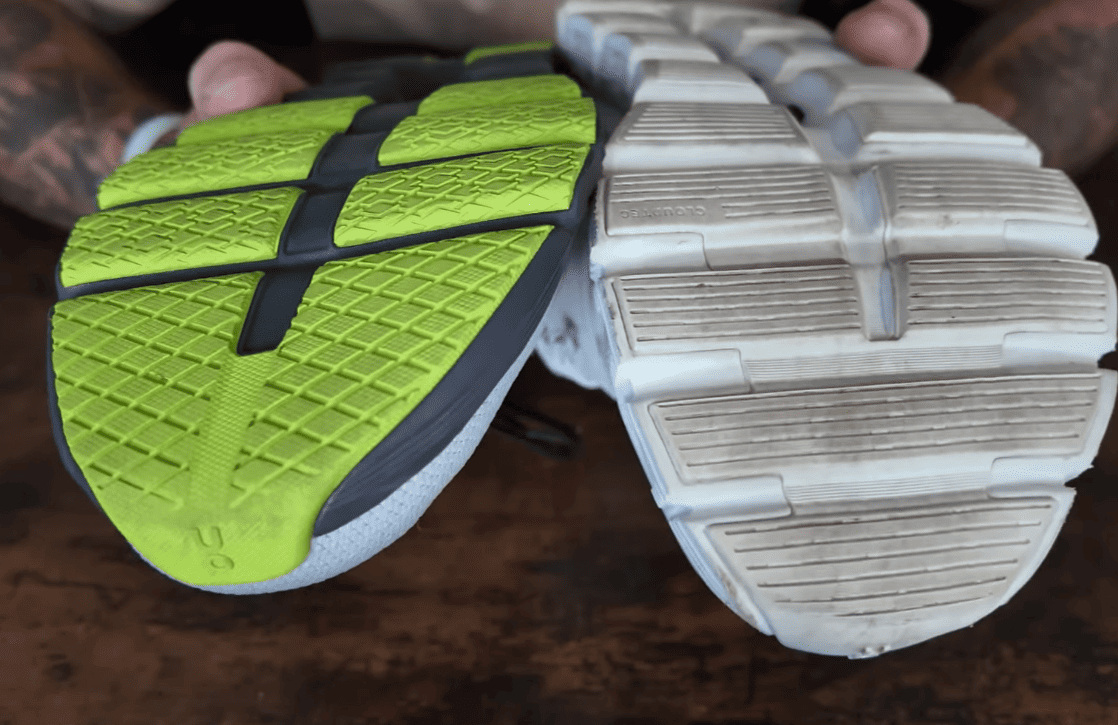
Both shoes utilize the brand’s CloudTec cushioning technology. The density differs greatly between models.
The performance shoe has a firmer, more responsive midsole. This provides a stable platform for lifts, especially in the forefoot.
The daily wear model uses a softer foam tuned for all-day cushioning. Its lightweight rubber outsole offers flexibility. However, testers note this tread may wear faster over time.
This difference in build quality impacts the long-term value and price proposition of each shoe.
Performance in Gym and Training
The true test of an athletic sneaker happens under the barbell and during dynamic movements. This evaluation pits the two models against common gym demands.
Your choice here impacts safety and results.
Strength and Cross-Training Capabilities
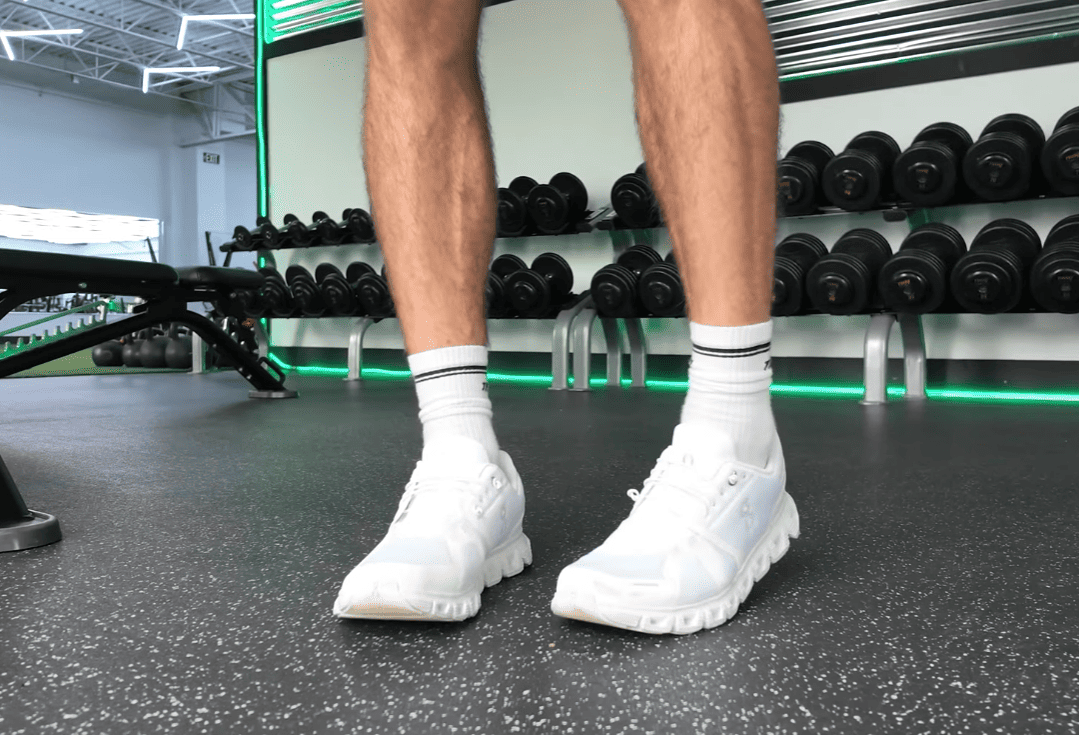
The training-focused model is built for hard work. Its denser midsole and X-shaped Speedboard provide excellent torsional rigidity.
This creates a stable platform for lateral drills and agility work. In contrast, the daily trainer is more flexible.
Independent tester Jake noted a clear difference during lunges. The daily model became unstable with 60-pound dumbbells. The training shoe remained solid up to 80 pounds.
| Metric | Training-Focused Model | Daily Trainer |
|---|---|---|
| Max Lifting Weight Before Compression | 275 lbs | 225 lbs |
| Stability in Walking Dumbbell Lunges | Stable up to 80 lbs | Unstable at 60 lbs |
Lifting Performance Insights
For heavy lifts, the compression threshold matters. The performance shoe supports about 275 pounds before the midsole noticeably compresses.
The other option starts compressing at just 225 pounds. This is a key limit for strength athletes.
The softer foam in the daily shoes can pitch your feet forward during squats. This compromises forefoot stability and form.
We recommend avoiding heavy barbell work in that model. For dedicated training, the stiffer platform is the safer, more effective tool.
Performance in Running and Walking
The distinction between a running shoe and a walking companion is clear in how each handles distance. Your choice here impacts your daily routine and long-term satisfaction.
One model is built for short, fast efforts. The other excels during leisurely paces and commutes.
Cushioning and Comfort Analysis
The daily trainer offers a notably softer ride. Its 8mm heel-to-toe drop creates a smooth transition for walking.
This feels natural for long-distance commuting. The combination of its Speedboard and CloudTec midsole provides consistent comfort.
In contrast, the performance-focused shoe uses a firmer foam. This setup is better for running distances of two to four miles.
It handles faster interval training sessions well. However, it lacks the plush cushioning dedicated runners provide for longer distances.
Durability in Daily Use
Using a shoe outside its design purpose risks faster wear. Independent tester Jake warns about this specifically.
Running in the daily model can lead to quicker midsole foam breakdown. Its construction prioritizes flexible comfort over long-term resilience.
The training-oriented pair is more robust for its intended athletic use. Your feet will appreciate the correct fit and support for each activity.
| Metric | Training-Focused Model | Daily Trainer |
|---|---|---|
| Recommended Running Distance | 2-4 miles | |
| Primary Use Case | Interval training, short runs | Walking, daily commuting |
| Cushioning Feel | Firm, responsive | Soft, plush |
| Key Durability Note | Built for gym & training stress | Midsole may compress faster if run in |
Fit and Sizing Considerations
Your foot’s unique shape determines which model will feel like a natural extension. A perfect fit is the foundation for all-day comfort and confident performance.
Getting the size right prevents blisters and instability. Let’s break down how each option accommodates different foot profiles.
True-to-Size Comparison
Both shoes are generally true to size. Your individual anatomy makes the final call.
The daily trainer fits standard medium widths perfectly. Folks with E or EE width feet might find sizing up a half-size offers a better experience.
Conversely, the training-focused shoe fits true to size for those E/EE widths right out of the box. It provides a secure, locked-in feel ideal for dynamic movement.
Width and Volume Options
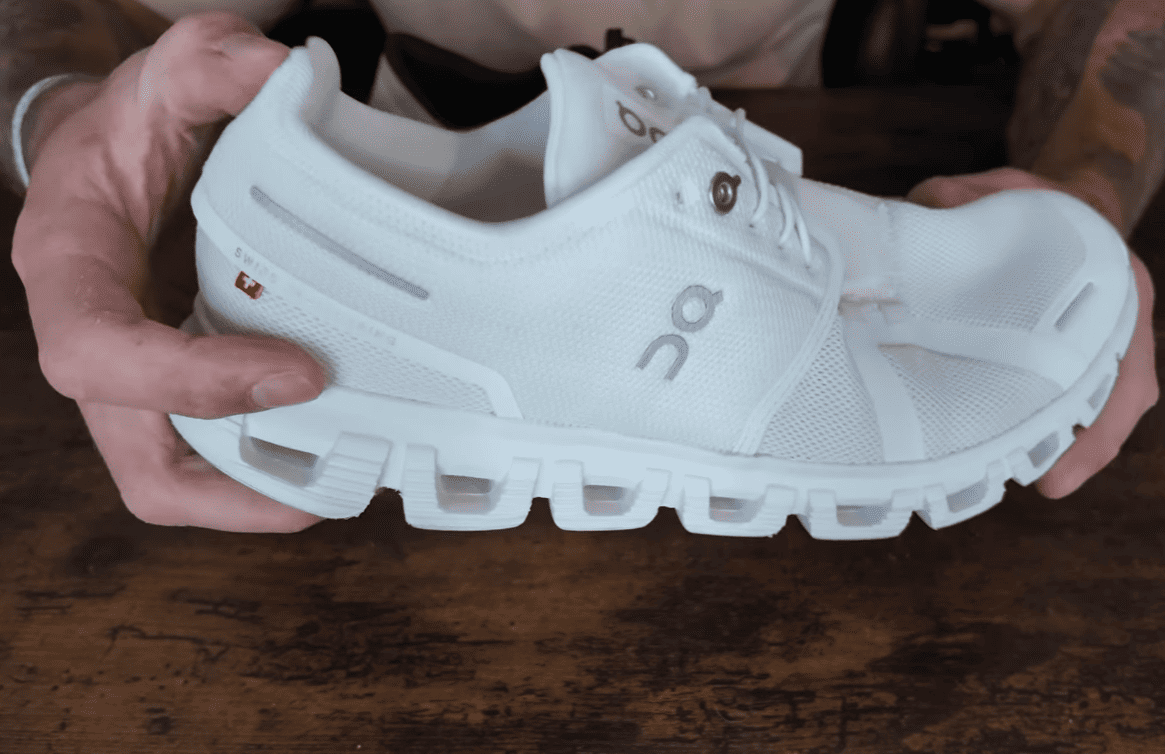
The daily model’s design was reworked for more volume. This is a major upgrade from its narrower predecessor.
However, this update means narrow-footed users could find it too roomy. Swapping the speed laces for traditional ones can help dial in the fit.
A crucial warning: The performance-oriented pair does not accommodate wider profiles. Anyone with 3E+ feet should avoid this model entirely.
User Experience and Durability
Everyday use puts athletic footwear to the ultimate test of resilience and construction. Beyond initial comfort, how these models handle scuffs, fraying, and repeated impact defines their long-term value.
Day-to-Day Wear and Tear
The daily trainer’s midsole is particularly vulnerable. Its exposed cushioning foam tends to scuff easily on concrete surfaces. Independent tester Jake noted this was a recurring issue, with his pair showing fraying after routine activities like walking a dog on pavement.
For the training-focused model, durability struggles center on the heel. Rigorous lab testing rated its padding a mere one out of five for wear resistance. This area can break down quickly under constant friction.
Long-term resilience remains a concern for both options. The lack of full rubber coverage on the outsole leaves critical zones unprotected. Users seeking a shoe for harsh daily abuse might find this disappointing.
Despite these wear issues, the daily trainer’s speed lacing system offers notable convenience. This feature makes it a popular choice for commuters who prioritize quick, easy adjustments over rugged longevity.
Price and Value Comparison
When investing in athletic footwear, the price tag is just the beginning of the value conversation. You must consider performance, durability, and how well the shoes match your routine.
Retail Pricing and Long-Term Investment
The Cloud 6 retails for $150. Jake from That Fit Friend questions this price given the model’s noted durability concerns.
Its competitor is priced at $149.99. This positions it against other premium cross-training options.
Spending this much requires careful thought. Is the comfort and daily fit of one model worth more than the gym stability of the other?
Neither shoe is a perfect do-it-all solution. Your feet and wallet must agree on the primary use case.
Consumers often debate this price-to-performance ratio online. Investing means accepting these may not last as long as more rugged, dedicated shoes.
Design and Aesthetic Appeal
Design details bridge the gap between athletic utility and personal expression. A shoe‘s look influences your confidence before you even take a step.
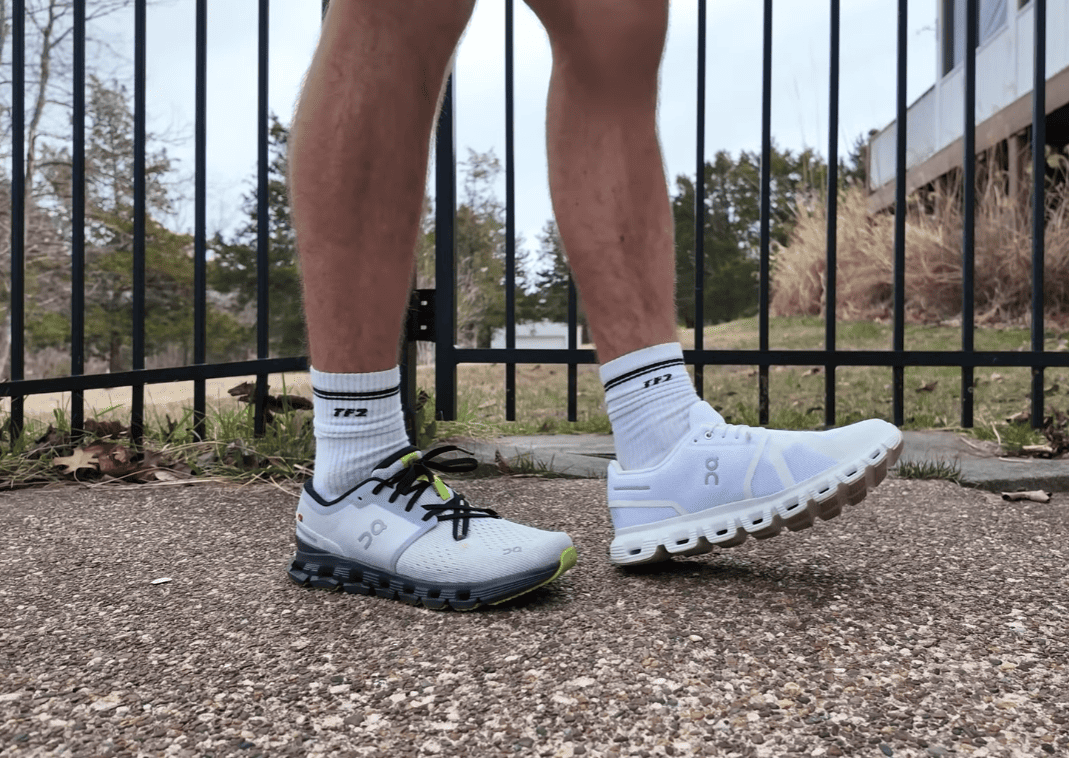
The Cloud 6 maintains a classic, clean aesthetic. Its versatile design is widely praised for casual, everyday wear. This makes it a popular choice for those valuing subtle style.
In contrast, the X 4 model sports a streamlined, modern silhouette. Reflective logos on the sides and heels boost visibility during evening walks. This thoughtful detail adds a layer of safety to its athletic look.
Independent tester Jake offers a balanced view.
While the aesthetic is strong, the functional design of the midsole needs improvement.
His insight reminds us that looks only go so far.
Both shoes successfully capture the signature style that fans love. This cohesive brand identity has made them a staple in the United States market.
Shock Absorption and Cushioning Analysis
Shock absorption metrics reveal which model truly softens each step. This data is vital for protecting your joints during high-impact activities.
We now evaluate the core technology that defines the underfoot experience.
Evaluation of CloudTec Technology
Lab tests show impressive numbers. The X 4 recorded 109 units of shock absorption in the heel and 73 in the forefoot.
It also provides an energy return of 58% in the heel and 59.4% in the forefoot. This creates a springy, responsive feel perfect for dynamic movements.
This technology is a boon for cardio training. It excels during exercises like box jumps and aerobics where you stay on your toes.
Jake from That Fit Friend notes a key contrast. The Cloud 6 offers a denser, more stable ride compared to this springier setup.
The protective cushioning is excellent for comfort. However, the same softness can be a drawback in the gym.
Excessive compression might make this shoe feel wobbly during heavy lifting. Your feet need a firm platform for maximum safety.
The Helion foam in the midsole pods delivers a signature protective feel. It’s a hallmark of the brand’s athletic shoes.
These shoes prioritize a secure fit to work in harmony with their cushioning. Choosing the right tool depends on your primary activity.
Stability and Performance in Lifting
For lifters, confidence comes from a stable base—something independent testing found lacking here. Jake from That Fit Friend warns both models have significant weaknesses for serious weight room work.
Your safety during squats or lunges depends on a solid platform. These shoes prioritize other attributes over this critical need.
Lateral Stability and Torsional Rigidity
The Cloud X 4 scored a mere one out of five for torsional rigidity. This low rating means the shoe bends easily in any direction.
Testers called its lateral stability a “disaster.” The wobbly midsole creates an insecure feel during side-to-side movements.
The Cloud 6 also struggles with stability. It performs poorly during skater strides or advanced plyometric drills in the gym.
This design flaw is a major concern for lifters. A platform that twists compromises power transfer and safety.
Users with overpronation should be especially cautious. The unstable build can worsen inward rolling of the feet.
| Stability Metric | Cloud X 4 | Cloud 6 |
|---|---|---|
| Torsional Rigidity (1-5) | 1 / 5 | Low |
| Lateral Stability | Poor (“Disaster”) | Struggles with dynamic moves |
| Recommended Use Case | Movement-based training | Light gym work, casual wear |
| Suitability for Heavy Lifting | Not recommended | Limited; unstable under load |
For those who prioritize stability, Jake suggests looking at dedicated training shoes like the Nike Free Metcon 6. The comfort and fit of these models cannot compensate for a shaky foundation when the weights get heavy.
Additional Features and Technological Innovations
Modern athletic footwear integrates clever tech for convenience and eco-consciousness. These details elevate the daily experience beyond basic cushioning and support.
Speed Lacing System and Reflective Elements
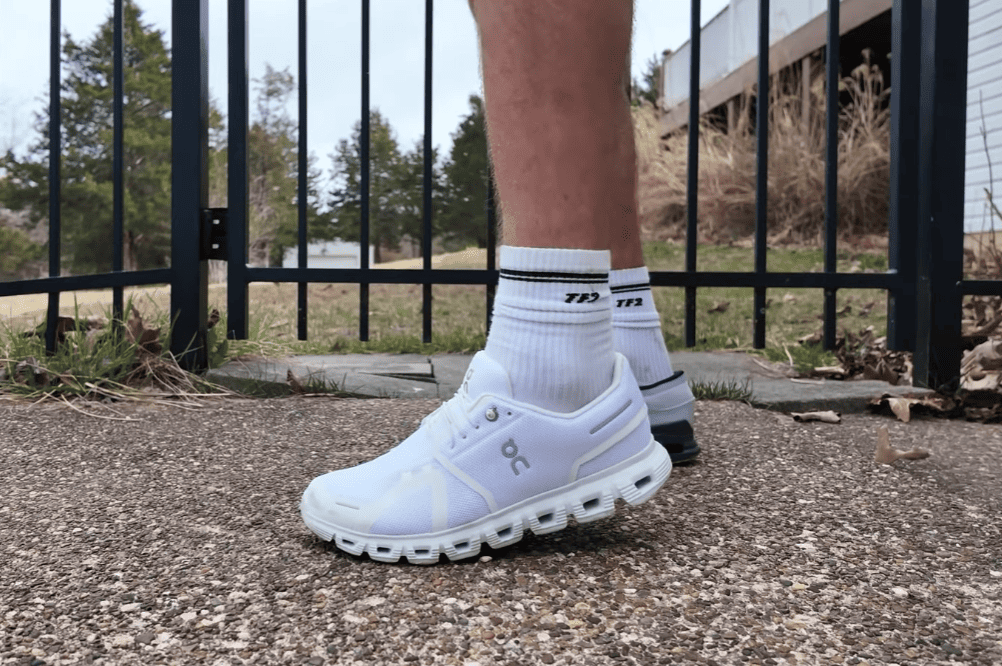
The speed lacing system on one model is a standout for daily wear. It allows for a quick slip-on fit that saves time during busy mornings.
Independent tester Jake confirmed its durability after 80-100 miles of use. This feature adds real value for commuters.
Reflective logos on the other pair boost safety for evening walks. They provide visibility when training or strolling in low light.
Sustainability in Materials
A strong commitment to the environment shapes material choices. The performance shoe uses an upper made with 90% recycled polyester.
Its production employs dope-dyed yarn. This process slashes water consumption by 90%.
These innovations show how brands can merge performance with responsibility. Your feet can feel good in more ways than one.
Remember, these cool features are nice extras. They do not fix the core stability or outsole durability issues noted earlier.
In-Depth: on cloud x4 vs cloud 6
Let’s distill the core strengths and weaknesses into a clear decision matrix. This final overview cuts through the details to show you exactly where each model excels and falls short.
Pros and Cons Overview
A side-by-side look reveals their fundamental trade-offs. One prioritizes plush feel, while the other offers agile support.
| Attribute | Cloud 6 | Cloud X4 |
|---|---|---|
| Pros | Comfortable, Breathable | Lightweight, Comfortable |
| Cons | Durability | Lack of Lateral Security |
| Key Focus | Daily Wear & Walking | Versatile Training |
Key Takeaways for Different Workouts
For the gym enthusiast, the X4 is the more capable tool. It handles light-to-moderate training and short runs effectively.
As Jake from That Fit Friend suggests, choose the Cloud 6 if walking comfort is your top priority. Its simple slip-on fit is perfect for daily use.
Both shoes share a critical flaw. Their midsole foam can fray quickly on abrasive surfaces like concrete.
Heavy lifting is not ideal in either shoe. The X4 provides a slightly more stable base, but dedicated lifters should look elsewhere.
Your final choice is simple. Value versatile performance for your feet during activity, or superior cushioning for all-day wear.
Conclusion
Weighing these options comes down to a simple trade-off: performance versatility versus walking comfort.
Independent tester Jake from That Fit Friend notes both shoes are comfortable. Yet, they are not the most durable for daily wear. Your decision balances training-focused features against plush cushioning.
The performance-oriented shoe is best for lightweight gym sessions. Its counterpart excels for commuters seeking all-day ease. Always consider your specific foot anatomy. Recent fit updates make one model more inclusive for wider feet.
Recall, both have clear limitations in the gym. Lateral stability and heavy lifting performance are weak points. The midsole and forefoot lack support under load. The outsole durability also affects long-term value.
Match the tool to your primary activity. This ensures the best price and experience for your shoes.