
Did you know that over 50 million Americans hit the pavement or trail regularly? Yet, a surprising number report discomfort because their footwear doesn’t match their stride.
This common struggle highlights why the choice between two top-tier brands is so significant. Both have dedicated followings for good reason.
One label sprang from the mind of a six-time Ironman champion in 2010. Its Swiss engineering focuses on a unique, cushioned sensation. The other is an American institution founded in 1914, which made a pivotal shift to serve only runners by 2001.
Their core missions are identical: to improve every run. However, their paths to get there are worlds apart. This isn’t a simple question of which company is superior.
The real answer lies in a bit of personal preference and how a shoe’s technology interacts with your body. We’ll break down the philosophies that make each option stand out in a crowded market.
Whether you need daily trainers or race-day speed, understanding this contrast is your first step toward a perfect fit.
Key Takeaways
- Both brands offer high-quality, innovative footwear designed specifically for runners.
- The choice is highly personal, depending on the feel and cushioning you prefer.
- One brand is a modern innovator, while the other has deep historical roots in the sport.
- Each company uses distinct technologies that cater to different running styles and goals.
- Your ideal pair depends on whether you prioritize a soft, cloud-like ride or a more traditional, responsive feel.
- Trying on both is the best way to decide, as fit is paramount.
- These two leaders have significantly shaped today’s running shoe landscape.
Introduction to On Cloud and Brooks
Modern runners are presented with a choice between cutting-edge innovation and time-tested tradition.
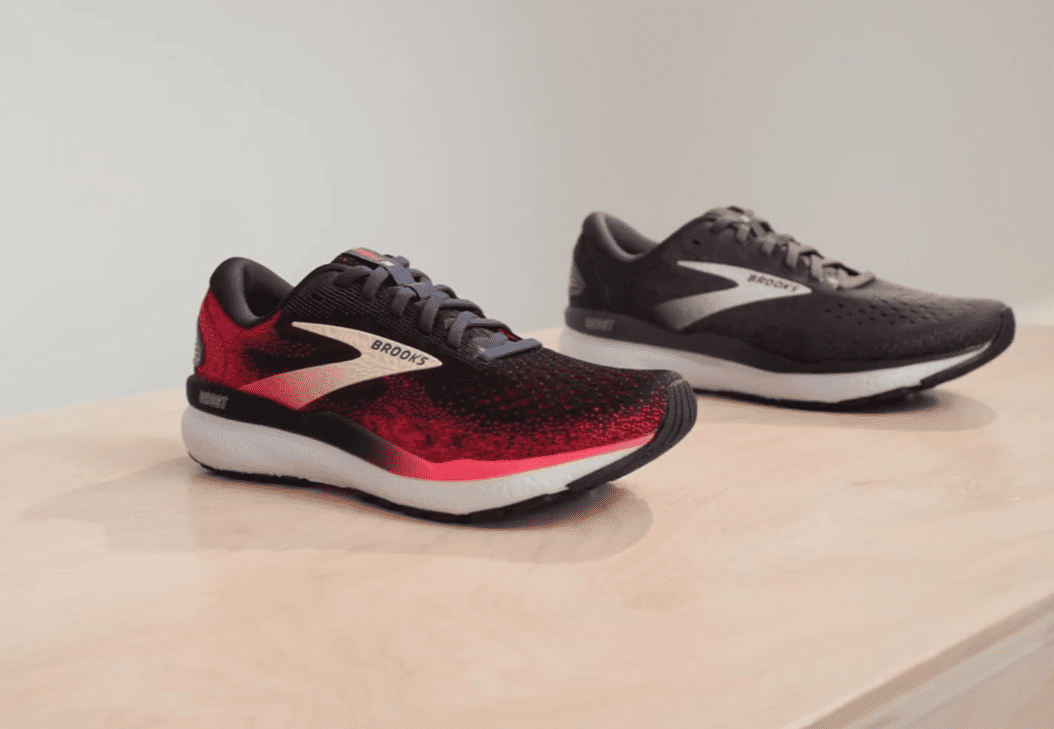
This section explores the foundational stories of two leading companies. Their journeys from concept to cornerstone of the sport reveal much about the differences in their products today.
Brand Backgrounds and Origins
The Swiss brand On was born from a specific athletic need. In 2010, six-time Ironman champion Olivier Bernhard wanted a better bounce. He teamed with engineers to create a unique running shoe.
Their goal was a completely new sensation underfoot. This focus on novel cushioning defined their early identity.
In contrast, Brooks has a history stretching back to 1914. The company initially made ballet slippers before finding its true calling.
It launched its first dedicated running shoe in 1974. A pivotal shift came in 2001 when the firm committed solely to serving runners.
Evolution in the Running Market
Both brands have evolved to meet changing demands. On quickly moved from triathlon specialty to mainstream popularity by 2015.
It gained a strong following in that community. Meanwhile, Brooks running shoes became a staple for distance athletes.
Understanding this heritage helps you see why each company’s footwear feels distinct. The Swiss brand’s focus on innovation shapes its modern, responsive designs.
Brooks’ deep roots influence its emphasis on structured support and reliability. This history directly impacts the construction and performance of every pair.
For runners, this background knowledge is the first step in identifying which philosophy aligns with your personal goals.
Innovative Design and Technology Features
What separates exceptional running footwear is the innovative technology built into every step. The systems under your feet manage impact and energy return.
This engineering defines your daily experience. Let’s examine the distinct approaches taken by these leading brands.
On Cloud’s CloudTec vs. Brooks’ DNA and GuideRails
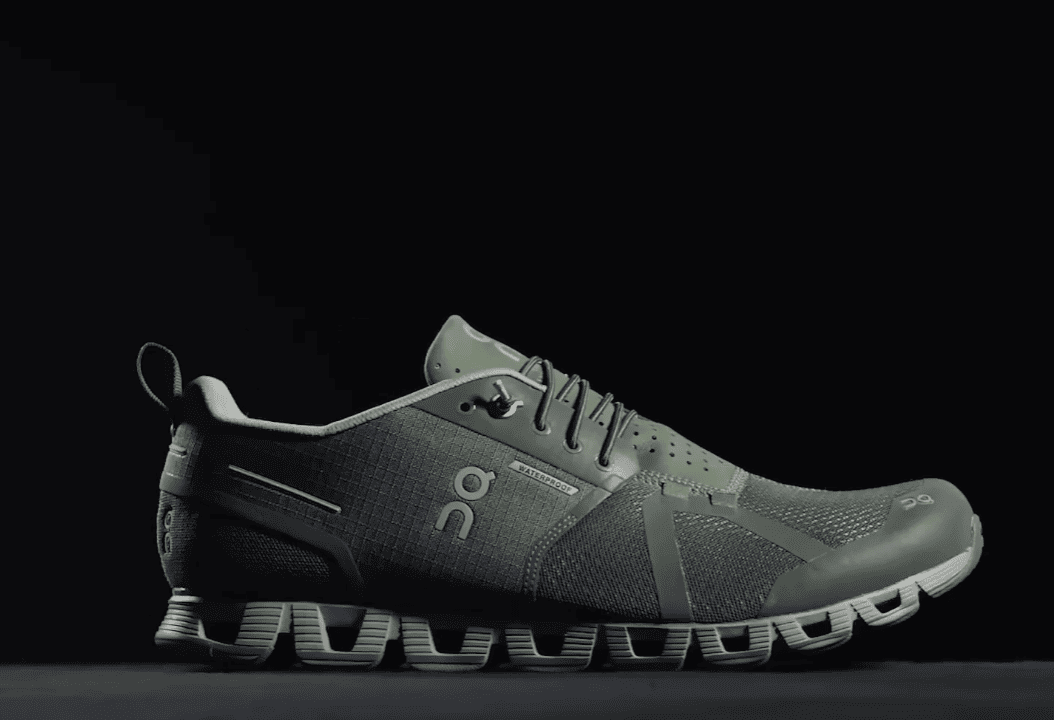
The Swiss brand’s signature system uses hollow pods. These compress during footstrike to absorb force.
This creates a unique, responsive ride in cloud running shoes. Many runners appreciate the firm yet cushioned sensation.
For brooks running models, the focus is on adaptive softness. Their dna loft foam blends materials for a plush feel.
It adjusts to your stride’s speed and pressure. Stability-focused models add GuideRails.
This system acts like bumpers to keep your foot centered. It prevents excess movement that can lead to fatigue.
Midsole Construction and Material Advances
The midsole is the heart of modern running shoes. Material choices here determine the cushioning and rebound you feel.
Advances in foam compounds represent a bit of engineering magic. Designers balance protection with efficient energy return.
Lighter, more durable materials also affect the overall feel of these shoes. The right pair should disappear on your foot, letting you focus on your run.
Performance and Running Experience
Your running experience is shaped by a delicate balance of cushioning, stability, and how the shoe responds to your every step. The numbers on paper meet the road here.
Cushioning and Energy Return
Both featured models share a 6mm drop, but the feel is worlds apart. One uses a firm Helion foam and a plate for a snappy ride ideal for fast runs.
The other employs a softer DNA foam for a plush, compliant sensation. This makes it a fantastic choice for long, easy miles.
The stack heights—35mm/29mm versus 39mm/33mm—show a bit more cushion underfoot in one, affecting the weight and ride character.
Fit, Stability, and Responsiveness
Stability comes from different philosophies. Some models use sidewalls and a flared sole to create a broad, stable platform for your foot.
This design offers excellent support for neutral runners seeking guidance. Other shoes prioritize direct ground contact and a lot of spring-back energy.
This can sometimes mean less padding in areas like the tongue. The density of the midsole is the final factor, creating that distinct feel you notice on every run.
Model Comparisons: Neutral and Stability Options
Selecting the right running shoe often comes down to a choice between neutral and stability models. This distinction is crucial for your comfort and performance.
Neutral shoes are designed for runners whose feet move naturally. Stability models add structured support to guide the foot.
Top Neutral Shoes for Everyday Performance
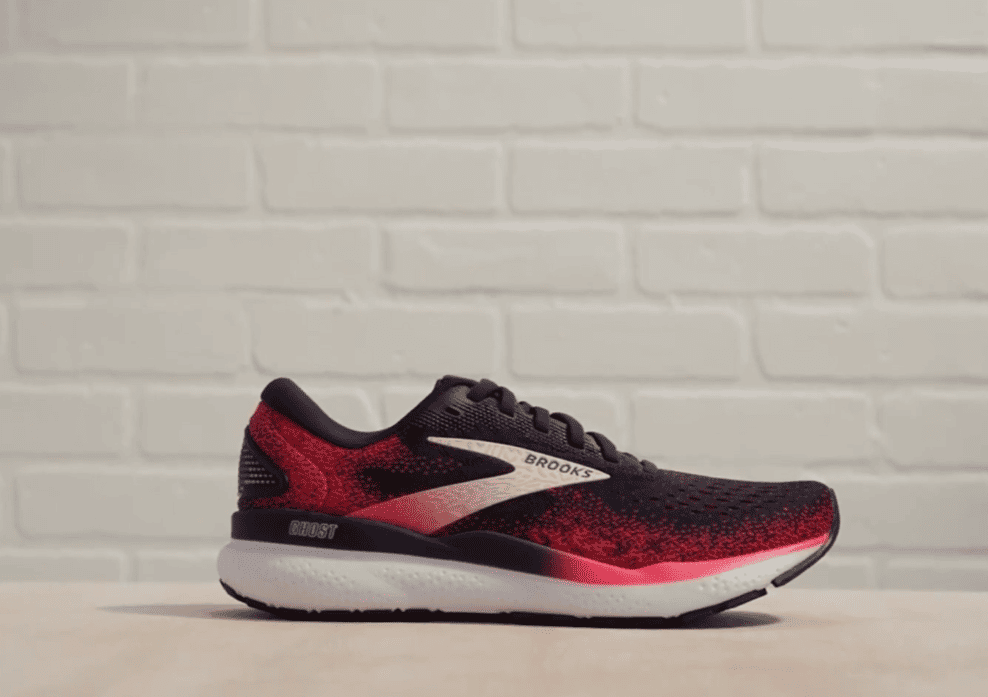
The brooks ghost 17 is a standout neutral option. It features a 10mm drop and nitrogen-infused dna loft v3 foam.
This update creates a snappy feel that many love for daily miles. Another popular neutral shoe provides a versatile ride.
It suits runners who mix walking into their routine. Choosing between these requires a bit of testing.
You must decide if you prefer a firm, responsive ride or a more traditional feel.
Best Stability Models for Structured Support
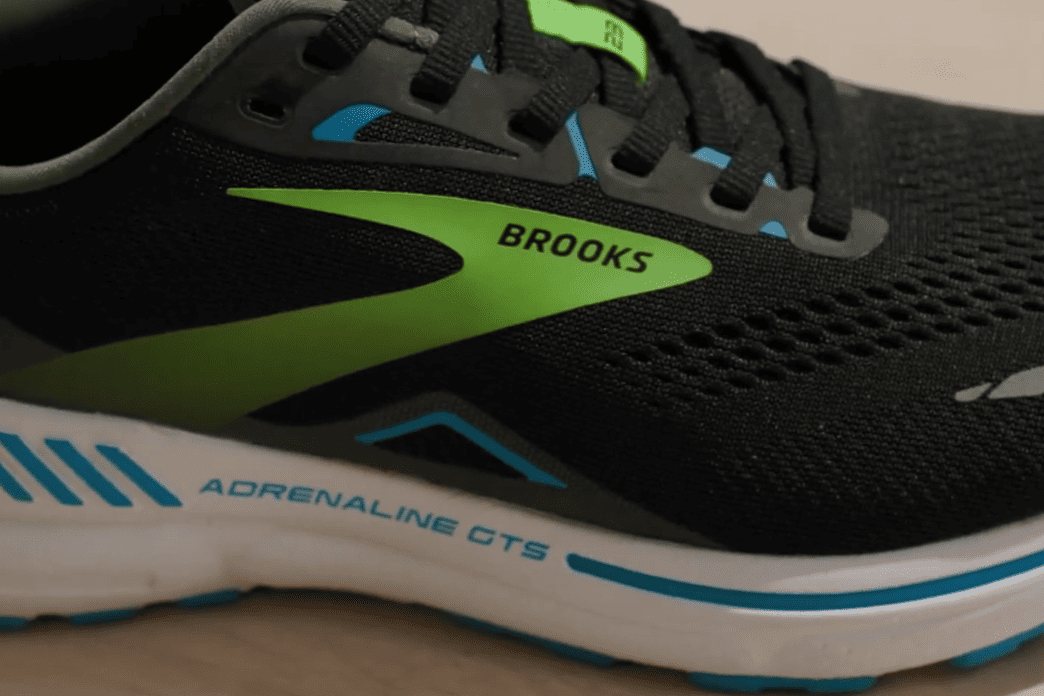
Stability shoes like the Adrenaline GTS use GuideRails technology. This system offers support without forcing the foot into position.
It’s excellent for those who need a lot of guidance. Other models focus on a natural feel for stability shoes.
They avoid rigid, corrective designs. The right pair can improve your form and reduce fatigue.
Consider the weight and speed you need when selecting these brooks running shoes.
In-Depth Analysis: on cloud vs brooks Feature Breakdown
Feature analysis goes beyond marketing to show how design philosophies impact your stride. This side-by-side look clarifies the core engineering differences.
We will focus on the elements that define your daily run: shock absorption and guidance. These features create the distinct character of each brand’s footwear.
Comparative Review of Cushioning and Support
The approach to cushioning is a primary differentiator. One brand uses a speedboard for a firm, energetic feel that maximizes rebound.
This contrasts with another’s use of specialized foam. Their DNA AMP compound is for speed, while BioMoGo DNA offers a balanced, daily training experience.
Stability systems also follow different paths. One method uses GTS models with structured side rails to control excess motion.
The other adjusts arch material placement for gentle guidance, working with your foot’s natural motion. This impacts the overall support you experience.
Fit is another key area. Some runners find a wider toe box in certain models, which can be a bit more accommodating.
Both brands offer a lot of options. Your ideal shoe depends on whether you need gait correction or prefer a more natural stride.
| Feature | Brand A Approach | Brand B Approach |
|---|---|---|
| Primary Cushioning Tech | Speedboard for firm energy return | DNA Foam varieties (AMP for speed, BioMoGo for balance) |
| Energy Return Focus | Maximizes snap and rebound | Provides adaptive, balanced cushion |
| Stability Philosophy | Arch material guidance for natural motion | GTS models with GuideRails for structured support |
| Fit Consideration | Often standard to snug | Frequently offers wider toe box options |
| Ideal Runner Profile | Prefers a connected, responsive feel | Seeks plush cushion or needs gait support |
This breakdown shows how each company solves the same problems differently. Your personal needs for cushion and support will point you toward the right shoes.
A little research into your foot shape and running style is the best next step. Trying on both brands is the ultimate test for any serious runner.
Durability and Lifespan of Running Shoes
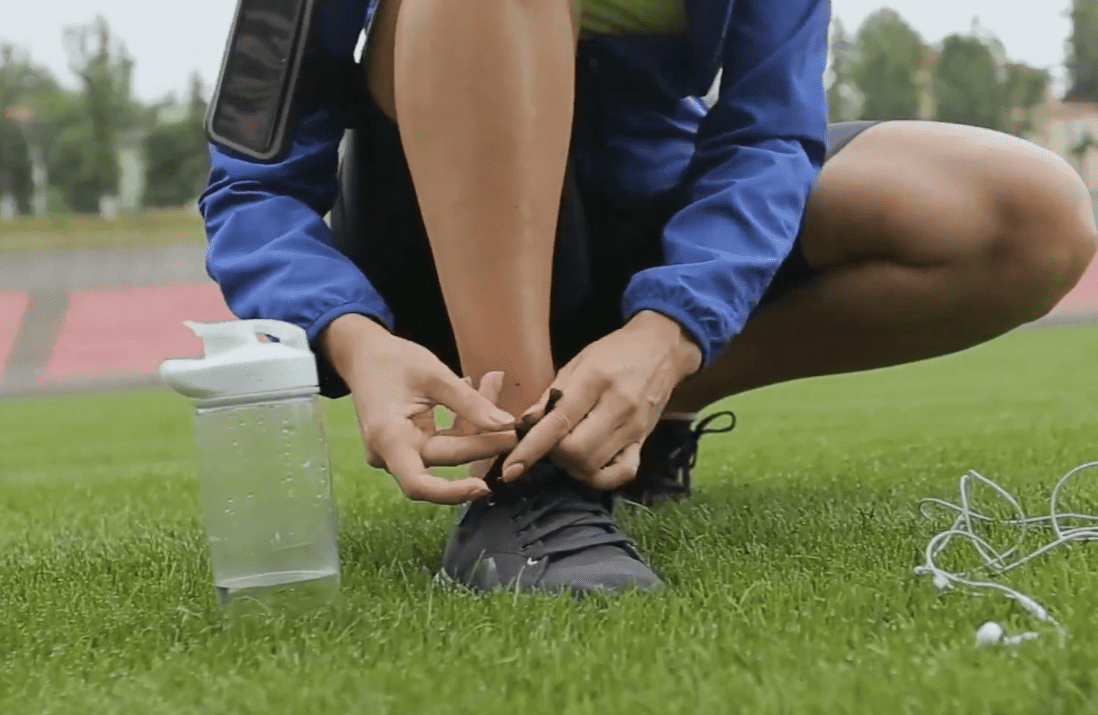
Understanding how long your footwear will last is just as important as its initial fit and feel. A worn-out pair loses its protective cushioning and support, which can lead to discomfort.
This makes knowing when to replace your gear a key part of running smart.
Mileage Guidelines and Material Durability
Most manufacturers provide a mileage range. For example, one Swiss brand suggests 310 to 465 miles. Another American institution recommends 300 to 500 miles, or about three to six months of use.
These are helpful guides, but your actual experience depends on a lot of factors. Your body weight, running surface, and unique gait all affect how quickly materials break down.
Rotating between two pairs of shoes is a smart move. It gives the foam time to rebound and recover, which can extend the life of each shoe.
Models built for speed often use lighter, softer materials. They may not last as long as daily training shoes designed for maximum durability.
A bit of outsole wear is normal. The real sign it’s time for a new pair is when the midsole foam loses its bounce and no longer feels protective.
| Factor | Impact on Lifespan | Runner’s Action |
|---|---|---|
| Body Weight | Heavier runners compress foam faster, shortening lifespan. | Monitor midsole feel closely after 250 miles. |
| Running Terrain | Rough asphalt or trails degrade outsoles quicker than smooth paths. | Inspect outsole rubber regularly for excessive wear. |
| Shoe Rotation | Using multiple pairs allows foam recovery, extending total mileage. | Invest in a second pair for alternating daily runs. |
| Primary Use | Speed-focused models sacrifice durability for lightweight performance. | Reserve racing shoes for events and key workouts. |
Cushioning Innovations and Carbon Plate Technology
The quest for faster race times has driven a revolution in running shoe technology. Today’s top models integrate rigid carbon fiber plates with super-light, responsive foam. This combination creates a propulsive feel that was once unimaginable.
Impact on Speed and Power Efficiency
A carbon fiber plate acts like a spring in the midsole. It stores and returns energy with each step. This can significantly improve your power efficiency, letting you maintain speed with less effort.
For example, one elite racing shoe uses a DNA Gold PEBA foam to cut weight. Its carbon plate is fine-tuned by size for optimal stability. Another model pairs a large stack height with a full-length plate for a bouncy ride.
There is a bit of a trade-off, however. These specialized shoes are generally less durable than daily trainers. They are built for speed, not for logging a lot of miles.
Application in Racing and Long-Distance Runs
This technology shines brightest on race day. The drop in weight and boost in energy return help runners hold a fierce pace. It’s particularly beneficial over the final, grueling miles of a marathon.
A carbon plate provides the structured pop needed for fast intervals. It helps fight fatigue when your form starts to fade. For long-distance events, that extra propulsion is a game-changer.
Remember, these are tools for specific jobs. Reserve your carbon-plated shoes for key workouts and competition. Using them sparingly preserves their pop and protects your legs.
Choosing the Right Shoe for Your Running Style
Your running terrain dictates the footwear you need. This makes the choice between road and trail models a critical decision.
Each surface presents unique challenges that demand specific features. Your ideal pair should match where you spend the most time.
Road vs. Trail Running Considerations
Trail shoes are built for protection against roots and rocks. The Caldera 8 is a popular example for rugged terrain.
It uses a DNA Loft v3 foam for comfort. This model has a 6mm drop and a weight of 14.4 ounces for stability.
Another strong option features a 5mm drop and a 30mm stack height. It is designed for comfort during long-distance efforts.
Many runners find the fit of certain brooks shoes more accommodating. They offer extra room in the forefoot for natural splay.
Your need for speed or stability will guide you. A bit of trial and error is often necessary.
The right shoe should feel secure and capable. Brooks running offers a wide range for different trails.
Consider if you need a lower drop or more weight for control. Selecting the perfect shoes involves a lot of personal factors.
Conclusion
In the end, the best shoe isn’t about which brand wins a debate, but which one disappears on your foot. Your personal comfort and satisfaction are the ultimate goals.
Whether you select the Brooks Ghost or the Brooks Glycerin, you’re getting a model that represents the high standard of brooks running. If you’re looking for a unique ride, cloud running shoes offer a distinct feel that sets them apart from other major shoe brands.
While competitors like New Balance are also strong, your search should focus on fit. Remember, how your shoes feel is the most critical factor. Take advantage of generous return policies to test them properly.
Both companies continue to innovate with advanced foam and DNA technologies for better speed and weight. Your final decision should be based on your foot’s specific needs. It requires a bit of effort, but finding the right pair makes a lot of difference for runners at every level.