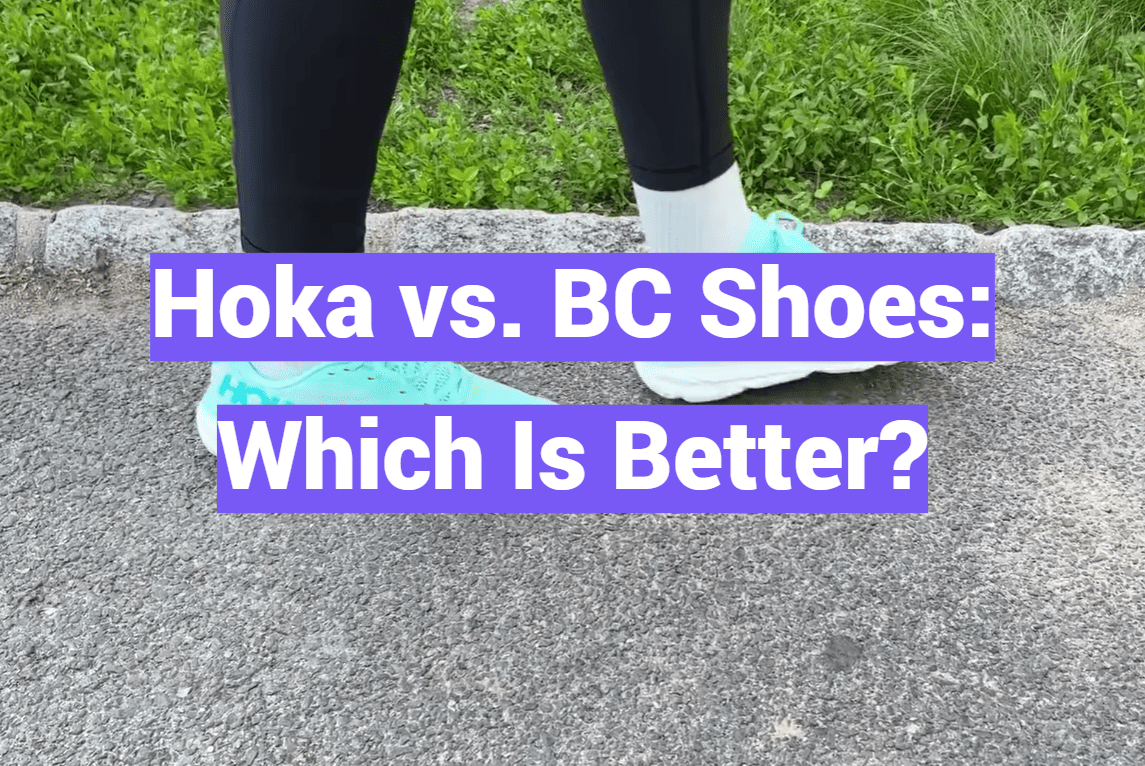
In just over a decade, two companies founded in 2009 and 2010 sparked a massive shift in the global footwear market. This rapid rise created a fierce rivalry that now defines modern athletic gear.
The debate between these industry leaders has become a central topic for anyone serious about their performance. Selecting the right pair is no longer just about style; it’s a critical decision for your long-term health and comfort.
Every high-quality option provides unique benefits tailored to different movement and goals. What works for a casual jogger might not suit a marathoner aiming for a personal best.
Modern athletic footwear has evolved, making the choice more complex than ever. We’ll explore the core philosophies behind this competition to help you find your perfect match.
Key Takeaways
- The rivalry between Hoka and On redefined the landscape of modern running shoes.
- Researching the best footwear for your needs will lead you to these two dominant brands.
- Your choice directly impacts daily comfort and can help prevent frustrating injuries.
- Each brand caters to different cushioning philosophies and athletic goals.
- Understanding the nuances is key to selecting gear that aligns with your personal requirements.
- The right shoe can be the difference between a great run and a painful one.
- This guide breaks down the essentials to simplify your decision.
Introduction: The Battle of Hoka vs BC Shoes
Over a decade ago, the foundation was laid for a rivalry that would redefine performance footwear. Two innovative companies emerged almost simultaneously, each with a unique vision.
Their rise turned a simple purchase into a detailed research project for many athletes. This competition now influences what you see on city streets and in gyms across the country.
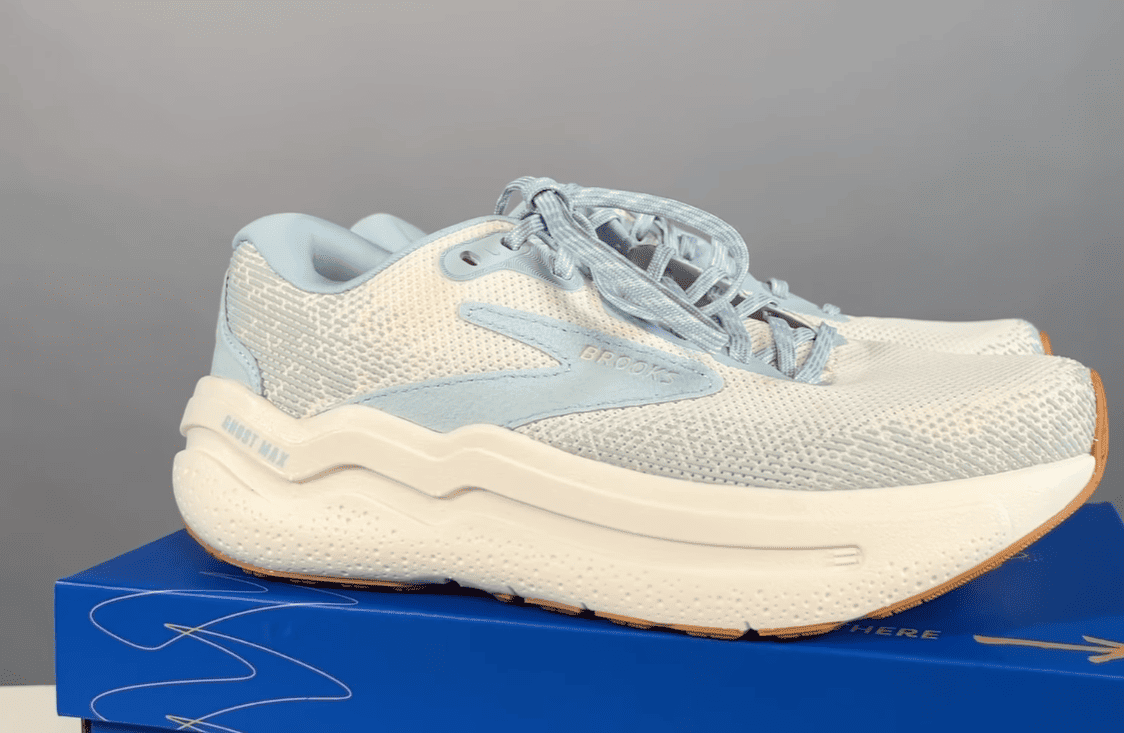
Overview of the Comparison
Founded in 2009 and 2010, these brands spent years perfecting their technologies. They captured attention from diverse groups, including professional runners and casual commuters.
In New York City, their presence on every corner highlights massive popularity. The market for high-performance gear expanded rapidly thanks to their entry.
Why This Showdown Matters
Choosing the right pair affects your daily comfort and can help prevent injuries. Each brand pursues different design goals, catering to specific athletic needs.
Understanding their histories is vital whether you seek a daily trainer or a race-day companion. This push-and-pull has resulted in better options for consumers globally.
| Feature | First Brand | Second Brand |
|---|---|---|
| Founding Year | 2009 | 2010 |
| Primary Focus | Maximum cushioning | Responsive running experience |
| Popularity Hub | Urban centers like NYC | Urban centers like NYC |
| Key Demographic | Long-distance runners | Versatile athletes |
| Market Impact | Expanded cushioning trends | Innovated lightweight design |
Brand Heritage and Design Philosophy
In the world of performance footwear, a company’s heritage is more than history; it’s the DNA of every design. The core idea that launched a brand shapes every product it creates. This foundational philosophy determines how your feet feel during a long run or a busy day.
Understanding this background helps you choose gear that matches your personal needs. Two leading names have built their identities on very different principles.
Hoka: A Legacy of Cushioning and Comfort
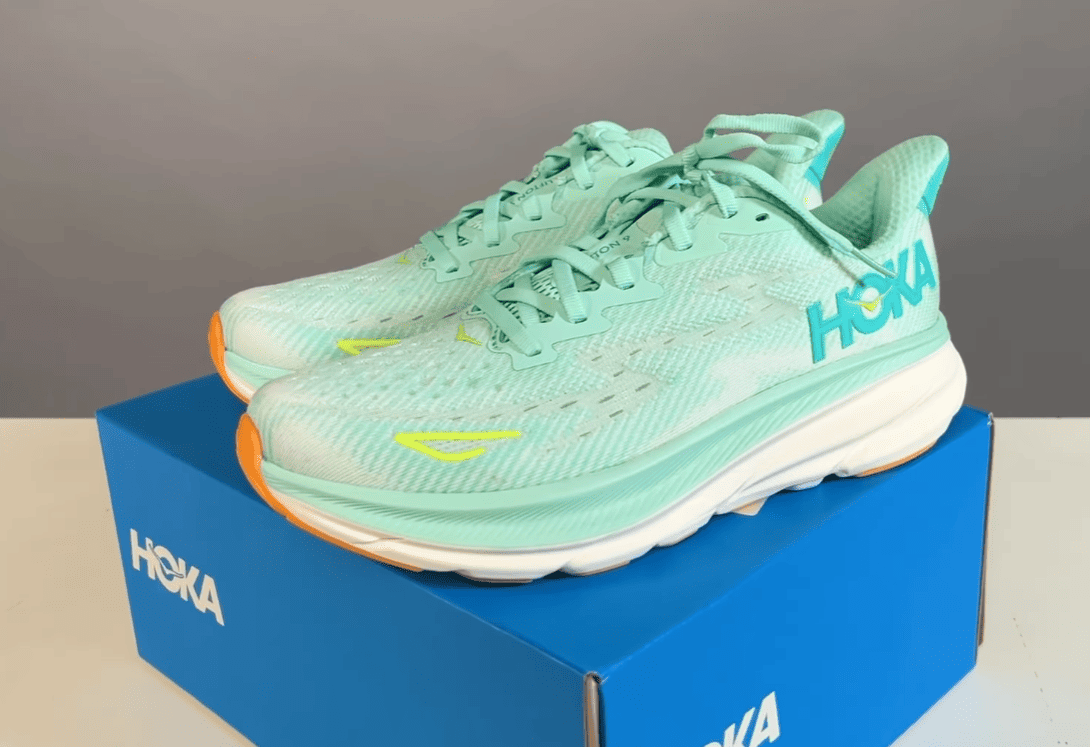
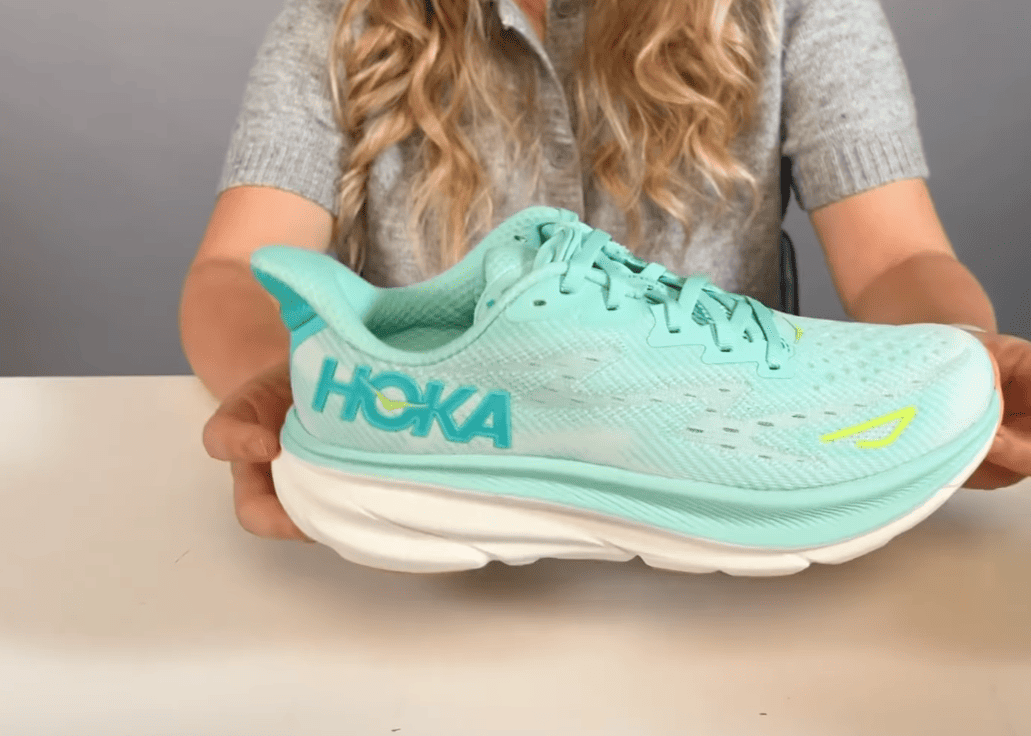
This brand built its reputation on a bold, maximalist approach. Its signature design prioritizes deep cushioning to absorb shock with every step. The goal is to provide a soft, protective ride that excels over long distances.
Engineers focused on creating a unique midsole that offers exceptional comfort. The result is a shoe that feels plush yet responsive, changing how runners think about impact.
BC Shoes: Innovating the Modern Running Experience
In contrast, BC took a different path by rethinking the structure of a running shoe. Its technology uses hollow pods in the outsole to provide adaptive stability. This system aims to offer secure support during the critical landing phase of your stride.
The design philosophy centers on a connected, efficient feel. It delivers a responsive running experience that many athletes find energizing. This innovative approach challenges traditional ideas about foam density and function.
Both brands have revolutionized the market by prioritizing distinct performance goals. Your choice ultimately depends on which design philosophy aligns with your movement.
Technology & Comfort: Cushioning, Support, and Stability
When you slip on a performance shoe, the technology underfoot is what defines your experience. The best running gear balances plush cushioning with reliable support. This harmony is key for all-day comfort and injury prevention.
Innovative Cushioning Systems
The Clifton 10 features an 8mm heel-to-toe drop. This promotes a smooth transition from heel strike to toe-off. In contrast, the Cloudmonster uses a 6mm drop.
This lower offset creates a different feel for the foot during high-impact activities. Both models use advanced foam to absorb shock. The goal is to protect your feet over long distances.
Yet, they achieve this through distinct philosophies. One prioritizes a deep, soft cushion. The other focuses on responsive energy return.
Advanced Support Features
Stability comes from thoughtful design. The midsole and sole work together to guide your foot. This reduces excess movement that can lead to strain.
Proper fit is essential. These products offer models for various foot shapes. The heel and toe areas are sculpted for security.
Weight is also balanced carefully. You maintain speed without feeling weighed down by your gear.
Performance for Running and Cross-Training
Running and cross-training place very different demands on your gear, requiring specialized features. The right choice depends on whether you prioritize marathon comfort or gym versatility.
Your primary activities should guide your selection. Some running shoes excel at one thing, while others handle a lot of different tasks.
Long-Distance Running Insights
For marathon training or extended road runs, maximum cushioning is critical. A soft midsole absorbs repetitive impact with each ground strike.
This design philosophy prioritizes comfort over many hours. It protects your feet from shock during sustained efforts.
Some brands are preferred by distance runners for this reason. Their products use advanced foam to create a protective cushion.
Versatility in Cross-Training and Daily Use
For gym workouts or mixed routines, a different feel is needed. Models like the Cloudsurfer 2 offer stability for lateral movements.
They provide a responsive platform for short sprints and agility drills. This versatility makes them great for a full day of varied activity.
The right fit for your foot ensures proper support during these dynamic motions. These walking shoes handle stress from all directions.
Choosing based on your specific needs ensures better performance. Whether you value speed or long-term comfort matters most.
Design, Aesthetics, and Everyday Versatility
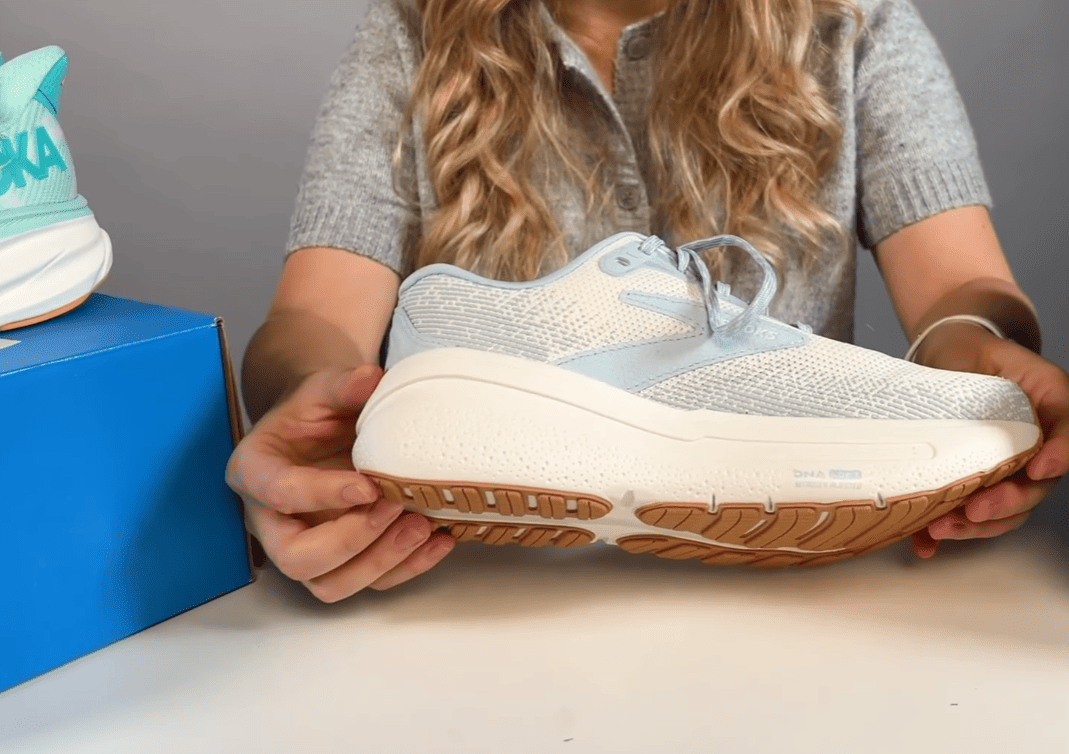
A great running shoe doesn’t just perform on the track. It complements your entire lifestyle from gym to street. Today’s leading brand understands that athletes want gear that looks as good as it feels.
This focus on everyday versatility means your footwear should provide all-day comfort without sacrificing style. Models like the On Cloudmonster exemplify this blend with a sleek, futuristic look. They perform equally well on New York City sidewalks and inside fitness studios.
Style and Functional Design Elements
The thoughtful design of these shoes prioritizes both form and function. A secure fit comes from details like the toe box and heel, which cradle your feet without pressure.
This construction ensures support during dynamic movements while keeping a modern, clean aesthetic. Your feet will appreciate the balance of performance and visual appeal.
Whether you’re walking or running, the aesthetic versatility ensures you look prepared for anything. As one designer noted,
“Good design solves a problem without drawing attention to itself.”
This philosophy results in gear that provides reliable comfort throughout your daily routine. The right pair becomes a seamless extension of your active life.
Price, Value, and Durability Considerations
Smart athletes know that a shoe’s true value is measured over months of wear, not just at checkout. The initial price is one factor, but the construction and materials dictate long-term satisfaction. For instance, the Hoka Clifton 10 sits at $170, while the On Cloudsurfer 2 is $125.
This difference reflects each brand’s approach to a daily trainer. Your choice should weigh immediate cost against projected performance over time.
Cost Comparison and Investment Value
Investing in a high-quality pair of running shoes is a smart financial move. It saves you money by avoiding frequent replacements. On one hand, a $170 model represents a commitment to premium materials.
On the other hand, a $125 option offers compelling value. Both are investments in your daily comfort and athletic performance. The right pair protects your feet and supports your goals.
Long-Term Durability Insights
Superior foam is engineered to maintain its cushioning and stability for hundreds of miles. A resilient midsole is key to this longevity. It ensures consistent comfort whether you’re running or spending the day walking.
When you compare the weight and build of these top-tier brands, the durability becomes clear. These models are built to withstand rigorous daily use. Your foot health benefits from this robust, long-lasting design.
In-Depth Comparison: hoka vs bc shoes – Key Differences
Beyond marketing claims, the key distinctions lie in shock absorption, stability, and overall ride feel. The primary differences between these brands are evident in how they manage foot strike and energy return.
Your choice fundamentally shapes your experience, whether you’re logging long miles or quick runs.
Pros and Cons Breakdown
One brand is renowned for its plush, maximum cushioning. This design prioritizes protection over many miles, making it a favorite for endurance events.
On the other hand, other models focus on a snappy, responsive feel. They often have a lower weight and promote a faster turnover.
This trade-off between supreme comfort and agile responsiveness is the core of the comparison. Each offers excellent support, but through different foam technologies and structural philosophies.
User Feedback and Expert Reviews
Evidence from elite athletes is telling. At the grueling Badwater 135 ultramarathon, a majority of the pack has been observed wearing Hoka footwear for many years.
This expert preference highlights a trust in its ability to handle extreme distance and shock.
Conversely, many everyday runners report that competing shoes offer a more connected, energetic feel perfect for shorter, faster efforts. As one reviewer noted,
“It’s not about one being better—it’s about which tool is right for your specific workout.”
Whether you need a dedicated running shoe or a versatile trainer, both lines offer compelling, but distinct, advantages.
Conclusion
Your journey to finding the perfect athletic companion ends with a personal choice, not a universal answer. The right pair for you hinges on how you value cushioning, stability, and overall weight.
We strongly suggest trying both leading brands. See which design feels most natural for your unique foot shape and running style. This hands-on test is the best way to decide.
Both companies have earned their spots as industry leaders. Whether you prefer maximalist comfort or innovative pod technology, you’re investing in top-tier running shoes.
Let your specific training routines and daily activities guide your final selection. The gear that performs best for you is the clear winner.